Having returned from a trip to Somaliland, I spent the last few days editing video footage and pictures.
I went there as a nostalgic ethnic Somali who hadn’t seen the land I left twenty years ago. Although my family come from Hargeisa I spent many of my formative years living in Mogadishu. This experience has left me with a deep affinity for both cities and a claim to both Somalia and Somaliland. It has been difficult for me to divorce Somaliland from Somalia. I found that in my vocabulary the two are like conjoined twins; two different individuals who are not quite separate. This is not helped by the fact Somaliland remains internationally unrecognised. To the outside world Hargeisa is just a city which lies in the northern part of Somalia and Somaliland is simply its northern region. To Somalilanders Hargeisa is the capital of their country. A country of which they are very proud.
I found one of the most offensive things you could say in Somaliland was to make the mistake of calling it Somalia. When I accidentally referred to the currency as Somali shillings in the market, I was quickly rebuked and corrected that it was Somali-LAND shillings. Although Somalis share the same religion, ethnicity and even language, Somaliland is now for all intents and purposes a separate country to its neighbour Somalia.
In the Somali people’s pre-colonial history, settlement and living was primarily a nomadic and pastoral one determined by the seasons and where one’s clan resided. The concept of borders was introduced by competing colonialists. Djibouti was formed by the French, Somaliland by the British and Somalia by the Italians. Two other regions were enveloped by Kenyan and Ethiopian borders. The Somaliland Republic reclaimed the old British name given to it and declared independence in 1991. While the debates on Somalia irredentism continue, so does life for ordinary Somalis wherever they reside.
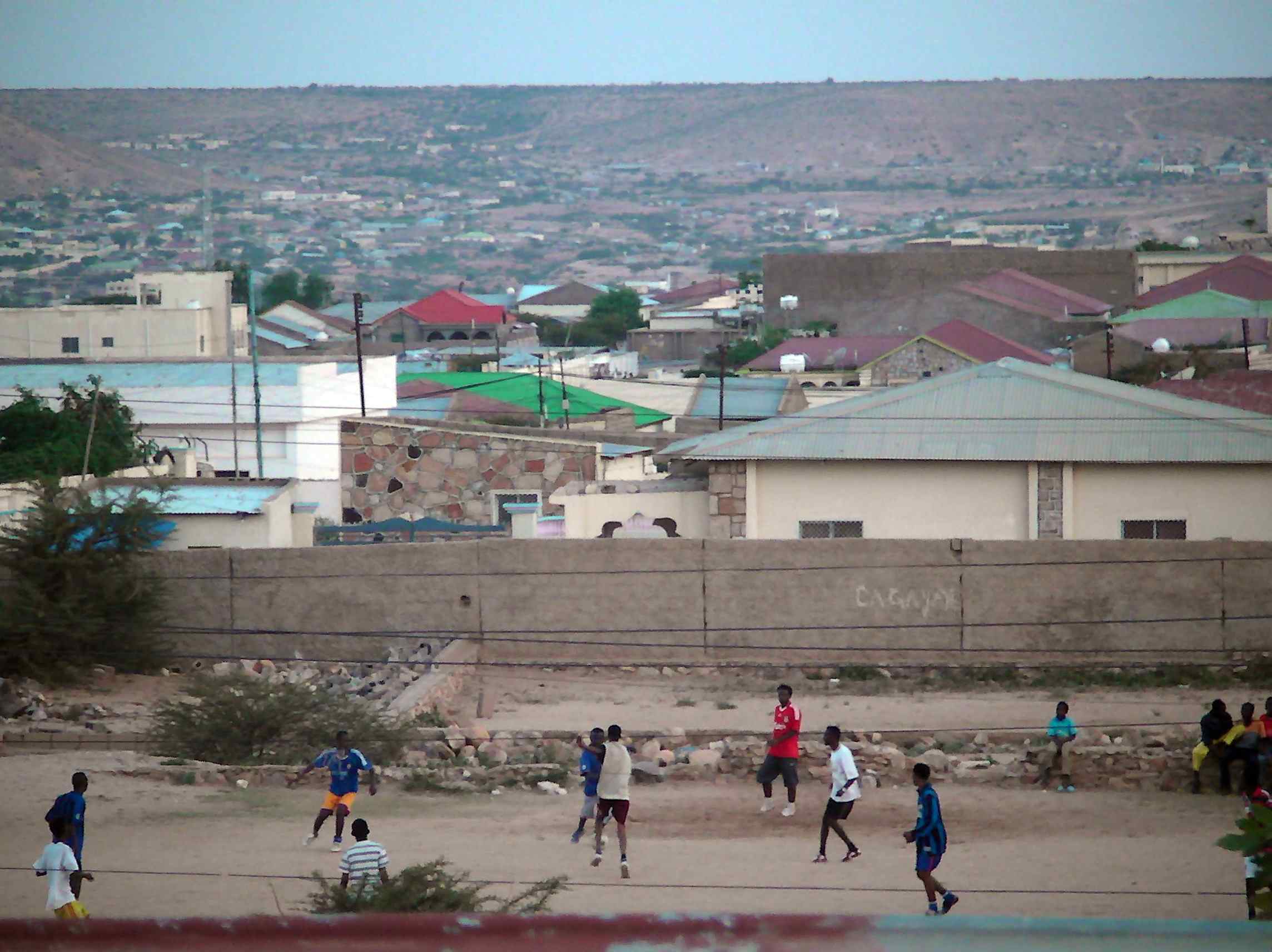
What the people of Somaliland have achieved, dubbed as Africa’s best kept secret, in a relatively short space of time is the envy of others. The country is a fully functioning relatively peaceful and bustling one. The markets open early in the morning with items from all over the world for sale. There are buses and taxis. Operating airports and a visible police force. There are schools and busy cafes. Children play football in the streets but they also beg on the same streets. The global economic crisis has had its ramifications in Somaliland. There is desperation as the cost of living has gone up and the current government is accused of corruption. The country is a growing haven for other ethnic Somalis escaping the violence in Somalia. Across Somaliland there are camps for IDPs (internally displaced people) who depend on aid.
The next posts will focus on the plight of some of those people as well as on the impending elections in Somaliland.
Photograph of of young people playing football in Hargeisa by me
]]>
Alarmed by the recent infringements on press freedom in Somaliland I decided to find and join the union for journalists in the country. I applied to SOLJA… No that’s not slang for an armed group but the actual acronym of the Somaliland Journalists Association. When I picked up the letter confirming my membership I was surprised to read that I was also upgraded to ‘UK representative’ for the union. Despite my added security, I had to be careful about what I filmed and who I spoke to.
I soaked in the city life and acclimatised to power cuts and the bleating of sheep and goats on residential roads. Hargeisa has so many stories of its own to tell. It is a city that bears the scars of the onslaught against it by former President Siad Barre. It has also become a kind of haven for people fleeing conflict in the south. There also many economic and political refugees from Ethiopia’s different ethnic groups. Many of these people live in squalid huts made out of tins and rags often in contrast to a lavishly decorated villa next door.
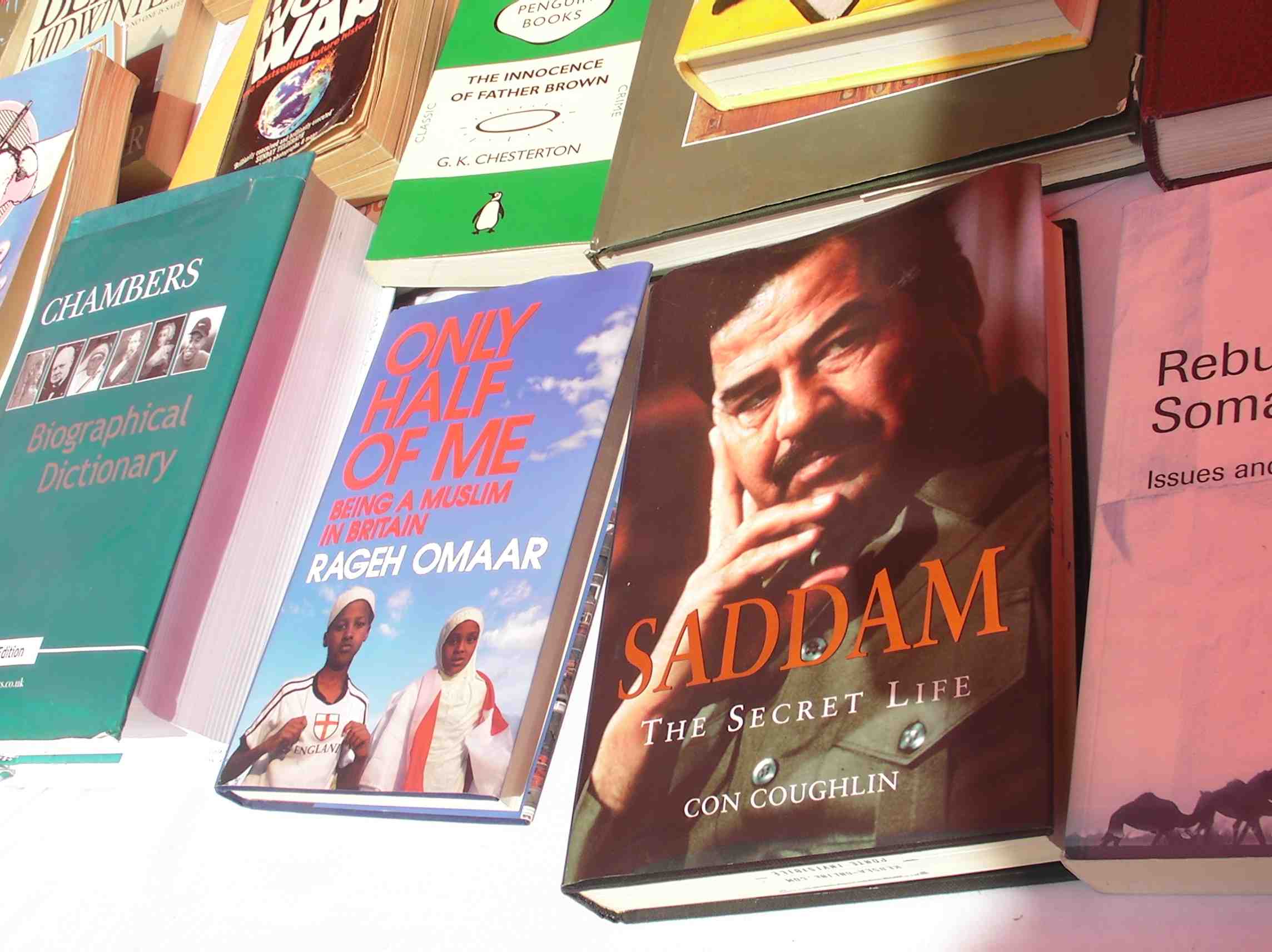
Hargeisa seems to be dotted with countless NGOs and charities that do not appear to be operating. The UN presence however is highly visible in Somaliland. The World Health Organisation also operates in Hargeisa but the WHO compound is rather eerily known locally as the ‘Twin Towers’. Hopefully this is a reference to the two identical buildings in the compound and not a warning of any kind. I attended the International book fair and found many of the Somali language books sold there several dollars cheaper downtown on the very same day from the sponsor’s own bookstore. Each dollar is about $7,000 Somaliland Shillings. My favourite moment at the fair was finding the Somali born journalist Rageh Omaar’s autobiography right next to a biography on Saddam Hussein. Omaar was famously dubbed ‘Scud Stud’ for his BBC coverage of the Iraq war and Saddam Hussein’s downfall.

I wanted to stay longer in Hargeisa and visit an orphanage, meet a contact from the University of Hargeisa and interview a government advisor whom I had arranged to meet. But I found myself stranded in Somaliland due to the sudden collapse of the airline I was booked with.
My priorities changed to – How to get out of an internationally unrecognised country where there is no embassy, no refund, insufficient funds for another ticket and no official word on what’s happening. My journey out of Somaliland seemed more hectic, more tiring and more confusing than my nostalgic trip into the country.
]]>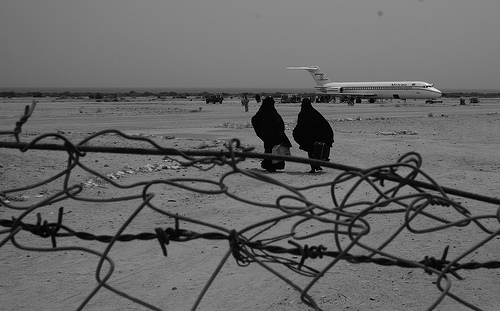
After a long journey via Dubai I landed in Berbera airport and made the 3 hour bus journey to Hargeisa. It was a hot, bumpy but a scenic ride.
My arrival here seems to have coincided with the high profile and deeply concerning case of two journalists who were arrested on the 13th July.
The journalists from Radio Horyaal have not yet been charged.
There is a week long International Bookfair here which I attended. Will post pictures from the fair and more very soon.
Photograph of Berbera airport taken by Sand Paper
]]>
For the first time in 20 years I am packing my bags to make the journey back to Somalia, a country I called home. To be precise, I am going to Somaliland, the autonomous northern region which established its own local government in 1991 though it remains internationally unrecognized.
There is so much historical context to the troubled lands of Somalia it is difficult to pick a starting point. Somalia has recently been dogged by the piracy that takes place off its shores. There are Somalis who view pirates as vigilante coastguards, while others condemn them outright. There are also those who say, the piracy situation is more complicated than is commonly portrayed in the media. The humanitarian crisis affecting Somalis was described as worse than Darfur by UN officials but it just seems to escalate with the continued violence.
I am going to speak with people I left behind in tw who have since fled the south for the relative peace of Hargeisa in the north. Some have lost children and spouses in the war. They have stories that need to be told. It is that part of the trip that I am most looking forward to. I was fortunate to leave Somalia with my parents and siblings when we left. I expect seeing the faces of those left behind will be an emotional and unforgettable experience.
I am both anxious and excited about this journey. I am anxious because travelling to that part of the world is never easy. I am also reminded of a recent exclusive in the Independent about British-Somalis who travelled to Somaliland alleging harassment by MI5 on their return. I am excited because I left Somalia as a child way back in the summer of 1989 and now I am returning as a journalist exactly 20 years later.
Although Somaliland enjoys relative peace in the Horn of Africa, it has recently been marred by allegations of press freedom abuses and skirmishes. The self-declared republic is in the run up to elections due to be held in September. Interesting times lie ahead.
I will post a second blog entry as soon as I land and get internet access. I hear there is a relatively good telecommunication system in Somaliland so that is good news. I am also planning to use twitter for short updates throughout my trip.
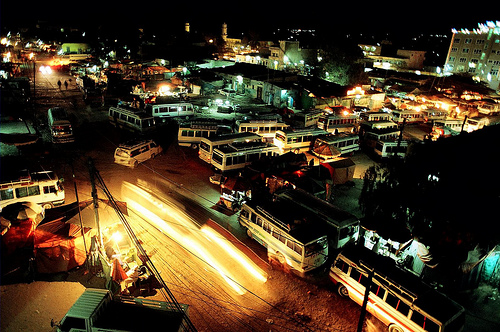
Photo of Hargeisa, Somaliland by Tristam Sparks licensed under Creative Commons
]]>